Keep pressure terms separate and state the conditions behind each requirement.
Separate the pressure terms
Working pressure describes the allowed operating envelope for a specified component and conditions. Proof is a non-destructive test level and method. Burst describes failure testing. These values have different purposes and must not be substituted for each other.
State the test conditions
Define component or full-assembly scope, fluid or gas, temperature, hold time, ramp method, connected state and acceptance criterion. Identify normal, peak, transient and reverse pressure separately where relevant.
Check the weakest boundary
The complete assembly includes hose, tube, fittings, seals and instruments. Do not claim the assembly inherits the strongest individual part rating; request the rating and verification of the proposed configuration.
RFQ checklist
- Normal and peak operating pressure
- Proof-test pressure and hold method
- Burst requirement and safety boundary
- Temperature, fluid, cycle state, and assembly configuration
Evidence boundary
Confirm every Product value and test condition for the exact configuration. This guide does not establish availability, qualification or system performance.
Related component references
Local editorial preview
Related component references
Manufacturer examples retain their model and conditions. These references describe source products, not approved stock or supply. Images are pending final selection and rights review.
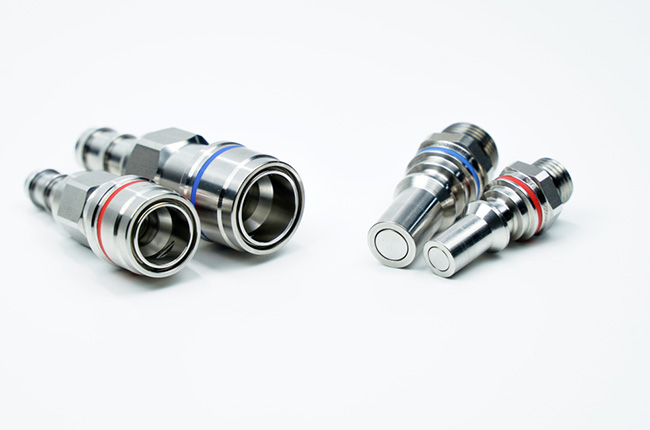
Quick Disconnect Couplings
74 documented parameter entries. Open the family to review model scope, options and conditions.
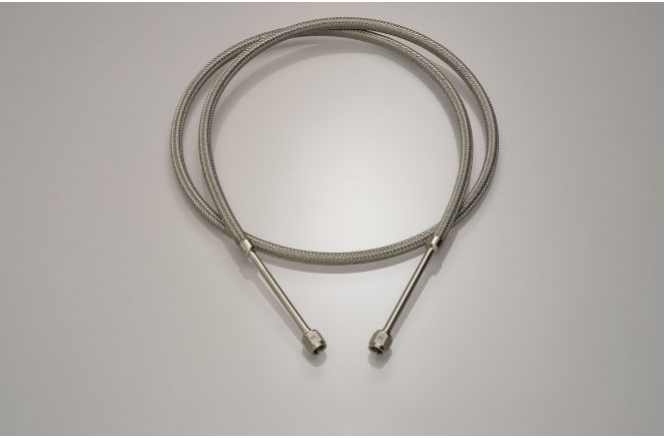
Hose Assemblies
68 documented parameter entries. Open the family to review model scope, options and conditions.
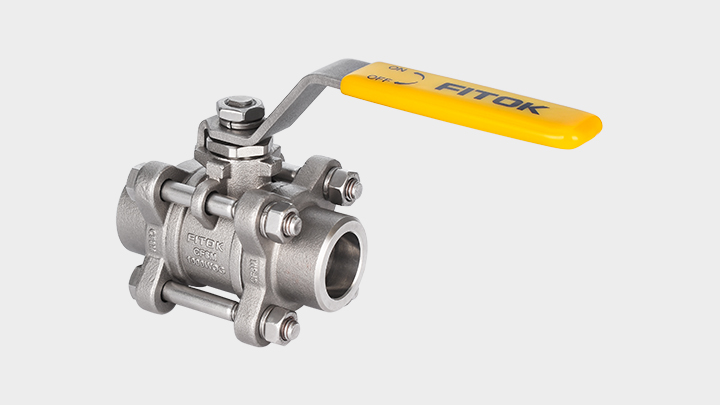
Valves
1 documented parameter entries. Open the family to review model scope, options and conditions.